7 Mistakes You’re Making with Workers’ Comp Telehealth Interpreting (and How to Fix Them)
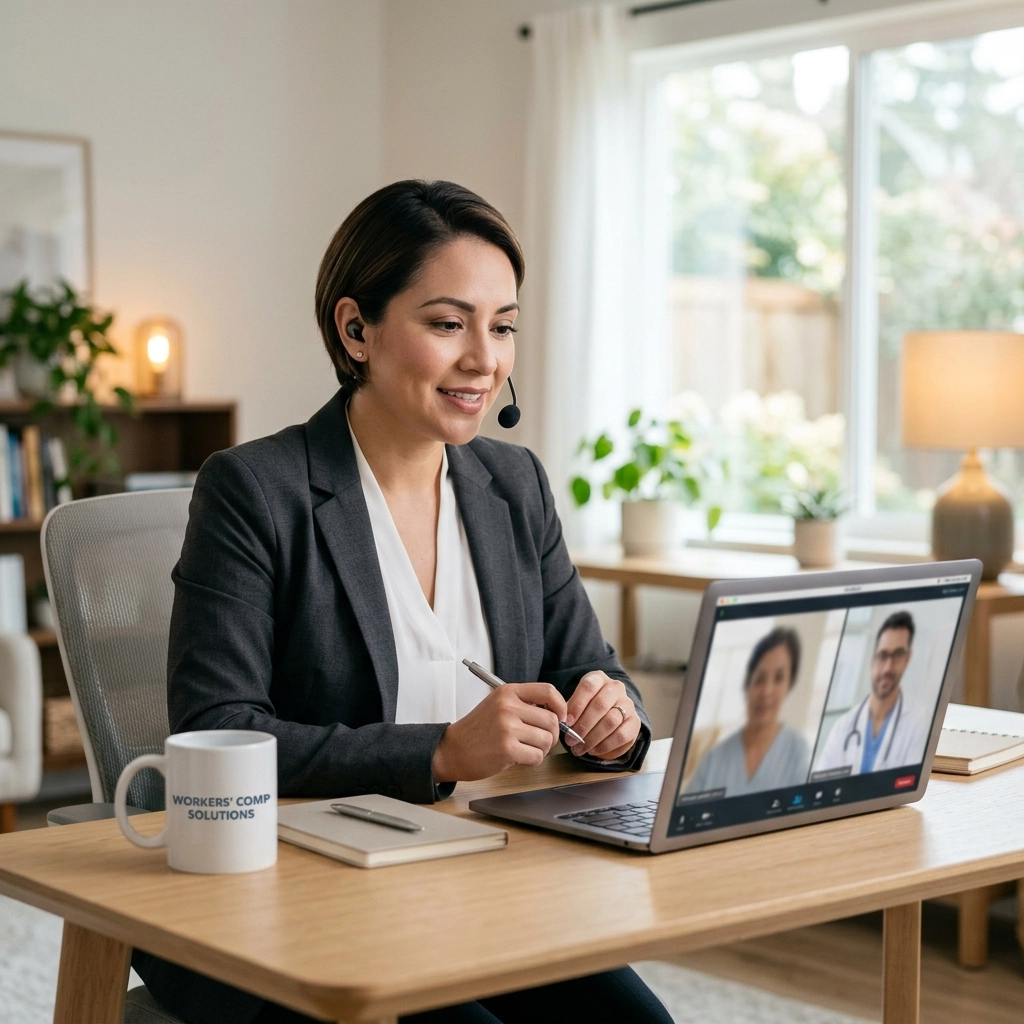
The landscape of the California insurance industry has undergone a massive transformation in recentyears, particularly with the rapid adoption of telehealth for medical evaluations and follow-up care.While remote consultations offer unparalleled convenience for injured workers and adjusters alike,they introduce a complex layer of linguistic challenges that can jeopardize the entire claim process. When language barriers are present, the quality of interpreting becomes the linchpin of a successful medical-legal encounter. Unfortunately, many organizations fall into preventable traps that lead tomiscommunication, legal vulnerabilities, and increased claim costs. Understanding these pitfalls is the first step toward ensuring that your workers’ compensation interpreters provide the clarity and accuracy required in such high-stakes environments.
One of the most frequent errors occurs when stakeholders rely on unqualified bilingual staff or even the injured worker’s family members to facilitate communication during a telehealth session. While it may seem like a cost-saving measure or a quick fix, this practice is fraught with risk. Family members often lack the specialized medical and legal vocabulary necessary to accurately convey symptoms orprocedural instructions. Furthermore, they may inadvertently filter or omit information to protect the claimant’s feelings or influence the outcome of the case. In the context of medical interpreting California, professional neutrality is non-negotiable. Using a certified professional ensures that the provider receives an unfiltered and accurate account of the patient’s condition, which is vital for an objective medical-legal evaluation.
Another common mistake involves choosing the wrong medium for remote communication. Many providers default to over-the-phone interpreting (OPI) because it is perceived as simpler to implement. However, in the realm of workers' compensation, visual cues are often as important as the spoken word. VRI interpreting California allows the interpreter to see the patient’s body language, facialexpressions, and any physical demonstrations of pain or mobility limitations. This visual connection significantly reduces the likelihood of misunderstandings and helps the interpreter manage the flow of the conversation more effectively. Without a video component, critical non-verbal information can be lost, leading to incomplete or inaccurate medical records that could be challenged during litigation.

Technical environment issues also frequently derail telehealth sessions. It is a mistake to assume that a standard internet connection and any quiet room will suffice for a professional interpretation. Many sessions are plagued by background noise, poor audio quality, or unstable connections that cause the interpreter’s voice to cut out at crucial moments. To fix this, both the provider and the interpreting agency must prioritize a high-bandwidth, secure connection. At Oritz Schneider Interpreting & Translation Services, we emphasize the importance of professional-grade equipment and a controlled environment to ensure that every word is captured clearly. A failure in technology is not just an inconvenience; it can lead to the termination of a session, resulting in lost time for the physician and delayed care for the injured worker.
Documentation is another area where significant mistakes occur. Often, the presence of the interpreter and their specific credentials are not explicitly recorded in the telehealth encounter notes. This oversight can create massive headaches during a workers' compensation audit or a legal dispute. It is essential to document the name of the interpreter, the agency they represent, their certification number, and the language used. Proper documentation serves as proof that the patient’s right to language access was respected and that the medical history obtained is reliable. Without these details, the entire medical report may be deemed inadmissible in court, forcing a costly and time-consuming re-evaluation.
Many organizations also fail to account for the specialized terminology inherent in legal interpreting California. Workers' compensation cases involve a unique blend of medical jargon and legal concepts that are specific to the state’s regulatory framework. A general-purpose interpreter may understand the language but struggle with the nuances of a Qualified Medical Evaluator (QME) session or thespecific definitions of disability ratings. Fixing this requires working with a partner that specializes in insurance claim interpreting California. Professionals who are well-versed in the specific vocabulary ofthe California Division of Workers' Compensation can navigate these complex discussions with theprecision required to prevent future litigation.
A sixth mistake is the lack of a pre-session briefing between the medical provider and the interpreter. In the rush of a busy clinical schedule, many doctors jump straight into the telehealth call without providing the interpreter with any context. This often leads to confusion, especially if the case involves complex medical histories or sensitive psychiatric evaluations. A brief two-minute introductioncan align the interpreter with the goals of the session and clarify any specific terminology that might be used. This collaborative approach enhances the accuracy of the interpretation and allows the provider to focus on the patient rather than managing the mechanics of the conversation.

Finally, there is the overarching mistake of treating remote interpreting as a secondary concern ratherthan a vital component of the claim’s integrity. When language services are treated as an afterthought, the quality of care and the accuracy of the claim suffer. Effective communication is the foundation of the entire workers' compensation system. Whether you are dealing with agricultural interpreting California in the Central Valley or high-tech legal cases in Silicon Valley, the stakes remain thesame. Investing in high-quality on-site interpreting California or robust VRI services protects all parties involved: from the injured worker seeking recovery to the employer managing their liability.
Pricing for professional translation services can vary widely depending on complexity and turnaroundtime. However, the cost of a mismanaged claim due to poor interpreting far outweighs the investment in professional language services. By avoiding these seven common mistakes and implementinga strategy that prioritizes certified, experienced interpreters, you can ensure that your telehealth sessions are as effective and legally sound as in-person encounters. At Oritz Schneider Interpreting & Translation Services, we are committed to providing the linguistic expertise necessary to navigate thecomplexities of the California workers' compensation system with confidence and precision.

If you are looking to enhance your remote interpreting capabilities and ensure compliance with California’s rigorous standards, the time to act is now. Our team specializes in providing the specialized support needed for legal, medical, and insurance-related language needs across the state. From Fresno to Irvine and beyond, we bring professional-grade interpreting to your telehealth platform.