Breaking Barriers in San Jose: Why Certified Medical Interpreters Are Essential for Better Health Outcomes

The vibrant and culturally diverse landscape of San Jose serves as a testament to the global nature of modern California. As a primary hub of innovation and community, the city is home to a vast population of residents who speak a multitude of languages, creating a rich tapestry of perspectives. However, this diversity also presents unique challenges within the healthcare sector, particularly when a patient’s primary language is not English. In high-stakes medical environments, the ability to communicate symptoms, understand diagnoses, and provide informed consent is not merely a convenience but a fundamental right. Providing high-quality medical interpreting California residents can rely on is essential for ensuring that health equity is maintained across all demographics. When a language barrier exists between a healthcare provider and a patient, the risk of clinical error increases exponentially, making the presence of a certified professional a critical component of the care delivery team.
Many healthcare facilities in the Silicon Valley region often face the temptation to utilize ad hoc interpreters, such as a patient’s family member or a bilingual staff member who lacks formal training. While these individuals may have good intentions, the lack of specialized medical terminology knowledge frequently leads to dangerous misunderstandings. Research has consistently demonstrated that untrained interpreters often omit or misinterpret a significant portion of a physician’s questions, which can result in a complete breakdown of the diagnostic process. For instance, a documented case in the medical community involved a Spanish-speaking patient whose use of the word "intoxicado" was misinterpreted as "intoxicated" rather than "nauseated." This single linguistic error led to a delay in the correct diagnosis of a brain-stem compression, eventually leaving the patient quadriplegic. Such tragedies underscore why professional interpreting services los angeles and San Jose based providers are indispensable for patient safety.
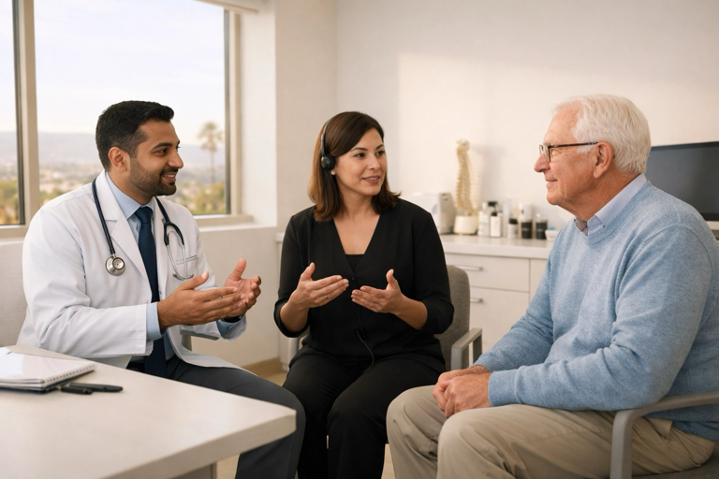
The expertise required for effective medical interpreting goes far beyond basic bilingualism. Certified medical interpreters undergo rigorous training and must meet strict national standards set by organizations such as the National Board of Certification for Medical Interpreters or the Commission for Certification for Healthcare Interpreters. These professionals are well-versed in complex medical terminology, healthcare systems, and the strict ethical guidelines that govern patient confidentiality and HIPAA compliance. By utilizing certified individuals, healthcare providers in San Jose can ensure that every nuance of a patient’s condition is accurately conveyed to the medical team. This level of precision is also a key feature of the broader california translation services landscape, where accuracy is the primary metric of success. Whether through on-site interpreting California services or remote solutions, the goal remains the same: to provide a seamless bridge of communication that eliminates guesswork.
In the complex environment of a hospital or a specialized clinic, the interpreter acts as a neutral conduit for information. They are trained to manage the flow of communication, ensuring that the physician does not speak too quickly and that the patient has ample opportunity to ask clarifying questions. This interaction is explored deeply in our previous discussion, "The Healthcare Provider’s Guide to Language Access," which outlines the structural requirements for building a culturally competent practice. For patients with limited English proficiency, the presence of a professional provides a sense of security and trust that is often missing when they are forced to rely on a family member. This trust is vital for successful health outcomes, as patients are more likely to disclose sensitive information and adhere to treatment plans when they feel fully understood.

The demand for specialized language support extends into various sectors of the California economy, including the legal and insurance fields. For example, workers’ compensation interpreters are frequently needed to assist injured employees during medical evaluations and depositions. In these scenarios, the intersection of medical and legal terminology requires an even higher level of specialization. The accuracy of the interpretation can directly influence the outcome of a claim or the determination of a patient’s long-term care needs. By integrating professional language services, organizations can avoid the costly delays and litigation that often arise from communication failures. Pricing for professional translation services can vary widely depending on complexity and turnaround time, but the investment in certified interpreting is always a proactive measure against much higher costs associated with medical malpractice or administrative errors.
Furthermore, the rise of technology has expanded the ways in which San Jose healthcare providers can access qualified language professionals. While on-site interpreting California remains the gold standard for complex surgeries or sensitive mental health consultations, Video Remote Interpreting or VRI interpreting California services have become increasingly popular for shorter appointments and emergency room intakes. VRI offers the benefit of immediate access to a wide range of languages without the need for travel time, making it a cost-effective solution for facilities that serve a highly diverse patient base. Regardless of the modality chosen, the focus must always be on the quality and certification of the interpreter. High-quality translation services San Jose and the surrounding areas rely on companies like Oritz Schneider to provide the necessary infrastructure for these vital interactions.
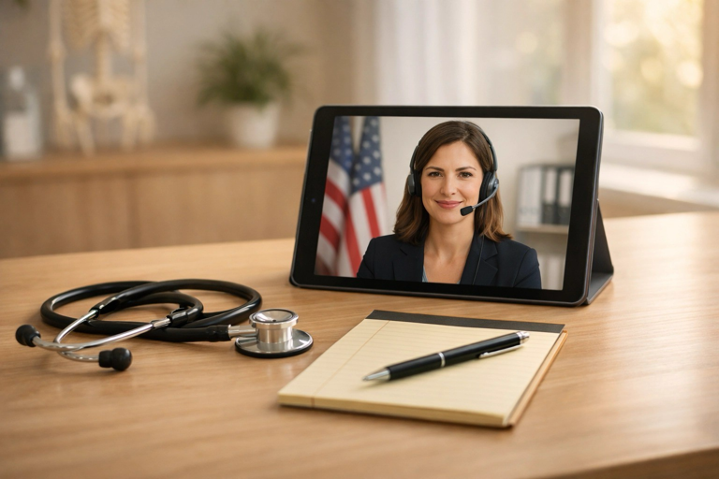
The impact of professional interpreting on health outcomes is not just anecdotal; it is backed by significant clinical data. Studies show that patients who have access to professional interpreters have shorter hospital stays, lower rates of readmission, and a significantly higher rate of satisfaction with their care. These improved metrics are a direct result of better comprehension of discharge instructions and medication regimens. We have seen similar trends in our analysis of "How Professional Interpreting Services Are Changing Healthcare Outcomes in Los Angeles," where the implementation of systematic language access programs led to a measurable decrease in health disparities. By ensuring that every patient, regardless of their native tongue, receives the same level of care and information, San Jose medical facilities can fulfill their mission of community health.
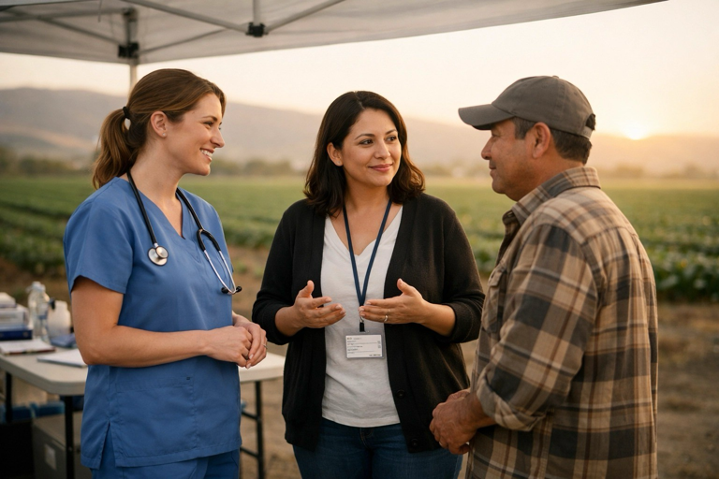
Moreover, the role of the interpreter often involves a high degree of cultural brokerage. Certified interpreters understand the cultural nuances that may influence how a patient describes pain or how they view certain medical interventions. This cultural competence prevents doctors from misinterpreting a patient’s behavior or beliefs, which can be just as damaging as a linguistic error. In the agricultural regions near San Jose, for instance, agricultural interpreting California services are often needed to bridge the gap between healthcare providers and migrant workers who may have unique cultural perspectives on wellness and traditional medicine. This holistic approach to communication ensures that the care provided is not only medically accurate but also culturally appropriate.
Legal requirements also play a significant role in the necessity for professional interpreting services. Under Title VI of the Civil Rights Act and the Americans with Disabilities Act, healthcare providers receiving federal financial assistance are required to take reasonable steps to provide meaningful access to their programs for individuals with limited English proficiency. Failure to do so can result in significant legal liabilities and the loss of federal funding. Therefore, partnering with a professional agency to secure california translation services and interpreting support is a matter of regulatory compliance as much as it is a matter of patient care. In San Jose, where the population is rapidly evolving, staying ahead of these requirements is essential for any forward-thinking medical institution.
Ultimately, the goal of any medical interaction is to achieve the best possible health outcome for the patient. This requires a collaborative effort between the medical team, the patient, and the interpreter. When barriers are broken down through the use of certified medical interpreters, the focus can return to where it belongs: on healing and care. Oritz Schneider Interpreting & Translation Services remains dedicated to providing the highest level of linguistic support to the San Jose community and beyond, ensuring that no patient is left in the dark due to a language gap. From the intensive care unit to the neighborhood clinic, the presence of a professional interpreter is the key to a safer, more equitable healthcare system for all Californians.