Bridging the Gap: Agricultural Interpreting for California's Farming Sector

California's agricultural industry is the backbone of the nation's food supply. From the fertile fields of Salinas Valley to the thriving agribusiness operations in San Jose, the Golden State produces over 400 commodities and leads the country in agricultural output. But behind every successful harvest is a workforce that speaks dozens of languages, and that's where agricultural interpreting California services become essential.
For farm owners, HR managers, and safety coordinators, clear communication isn't just a convenience.It's a matter of compliance, productivity, and worker safety. When instructions get lost in translation, the consequences can range from costly operational delays to serious workplace injuries.
The Multilingual Reality of California Agriculture
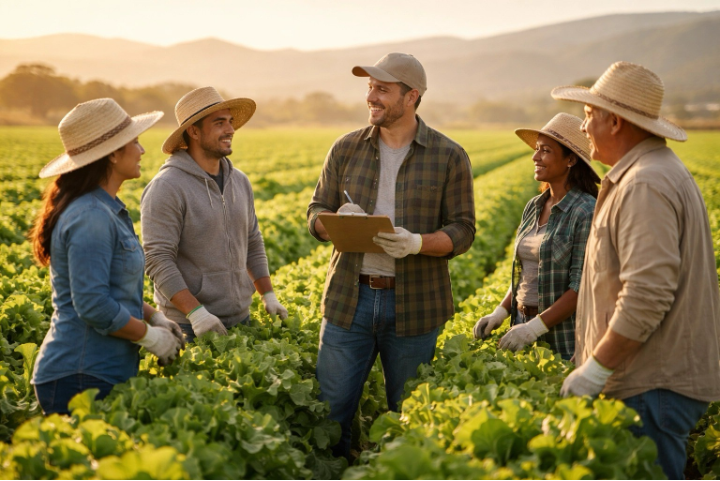
Walk through any major farming operation in Salinas or the surrounding Central Valley, and you'll hear a symphony of languages. Spanish is the most common, but you'll also encounter indigenous languages like Mixteco, Zapoteco, and Triqui, along with Tagalog, Punjabi, and many others.
This linguistic diversity presents both opportunities and challenges. A multilingual workforce brings cultural richness and a strong work ethic. However, it also demands thoughtful communication strategies that go far beyond simple word-for-word translation.
Many underserved and small producers lack the financial resources to hire full-time language consultants. This creates a significant communication gap between farm operations and the technical programs, safety protocols, and HR processes that keep businesses running smoothly. Professional interpreting services bridge that gap with precision and cultural awareness.
Where Agricultural Interpreting Makes the Biggest Impact
Agricultural interpreting California services touch nearly every aspect of farm operations. Here are the areas where professional language support proves most valuable:
Field Operations and Daily Communication
Effective field management requires clear, real-time communication. Whether it's conveying planting schedules, explaining equipment operation, or coordinating harvest logistics, supervisors need to know their instructions are understood completely.
Professional interpreters facilitate this communication without the delays and misunderstandings that come from relying on informal"bilingual" staff members who may lack the technical vocabulary or interpreting training needed for accuracy.
HR Onboarding and Employee Relations
From the momenta new hire walks through the door, clear communication sets the tone for their entire employment experience.Onboarding paperwork, benefits explanations, workplace policies, and union meeting discussions all require precise interpreting to ensure employees understand their rights and responsibilities.
Misunderstandings during HR processes can lead to compliance issues, grievances, and high turnover. With on-site interpreting support, agricultural employers can build stronger relationships with their workforce from day one.
Safety Briefings and Training
This is where agricultural interpreting becomes a matter of life and safety. Farming consistently ranks among the most hazardous industries in the United States.Workers operate heavy machinery, handle pesticides, and work in extreme conditions.
Safety briefings, equipment training sessions, and emergency protocols must be communicated with absolute clarity. A missed word or misunderstood instruction could result in a serious injury or fatality. Professional interpreters with agricultural experience understand the specific terminology involved, from pesticide application guidelines to tractor operation procedures, and can convey these critical messages accurately.

The Importance of Cultural Precision
Effective agricultural interpreting goes far beyond converting words from one language to another. It requires deep cultural understanding and the ability to navigate nuances that can significantly impact communication.
Consider a safety training session about heat illness prevention. A skilled interpreter doesn't just translate the medical symptoms and prevention tips. They understand cultural attitudes toward seeking help, recognize potential barriers to compliance, and adapt their delivery to resonate with the specific audience.
This cultural precision extends to:
• Understanding hierarchical dynamics within different cultural groups
• Recognizing non-verbal communication cues that may signal confusion or agreement
• Adapting tone and formality to match audience expectations
• Navigating sensitive topics like workplace injuries or documentation concerns with appropriate discretion
At Ortiz Schneider, our interpreters bring this level of cultural competence to every agricultural assignment. With over two decades of experience serving California's diverse industries, we understand that who we are matters just as much as what we do.
Specialized Industry Knowledge Sets Professional Interpreters Apart
Agricultural interpreting demands specialized vocabulary that general interpreters simply don't possess. Terms related to irrigation systems, crop management, pesticide classifications, equipment maintenance, and labor regulations require interpreters who have immersed themselves in the industry.
Consider the difference between a general interpreter and one with agricultural expertise:
This specialized knowledge doesn't develop overnight. It comes from years of experience working within the agricultural sector and a commitment to ongoing professional development.

On-Site vs. Remote Interpreting: Choosing the Right Approach
Modern agricultural operations have options when it comes to interpreting delivery. Both on-site and remote interpreting services offer distinct advantages depending on the situation.
When On-Site Interpreting Excels
Face-to-face interpreting remains the gold standard for:
- Safety training sessions where visual demonstrations accompany verbal instructions
- HR meetings involving sensitive personnel matters
- Large group briefings in field settings
- Farm tours and conferences requiring simultaneous interpreting
- Union meetings and negotiations where nuance and trust are paramount
On-site interpreters can observe body language, point to equipment or materials being discussed, and build rapport with workers over time.
When Remote Interpreting Works Well
Video Remote Interpreting (VRI) and Over-the-Phone Interpreting (OPI) offer flexibility for:
- Urgent situations requiring immediate language support
- Brief check-ins or routine communications
- Remote locations where travel time would be prohibitive
- After-hours needs when agricultural operations run around the clock
Many California agricultural operations now use a hybrid approach:scheduling on-site interpreters for major training events while maintaining access to remote interpreting for day-to-day needs.
Why Professional Interpreters Matter More Than Ever
Some agricultural employers still rely on bilingual employees to handle interpreting duties informally. While this approach may seem cost-effective, it carries significant risks:
- Accuracy concerns: Bilingual ability doesn't equal interpreting skill. Professional interpreters are trained to convey complete messages without additions, omissions, or editorializing.
- Liability exposure: In safety-critical communications or HR matters, using untrained interpreters can create legal vulnerabilities.
- Employee discomfort: Workers may not speak freely when a coworker serves as interpreter, especially for sensitive topics.
- Productivity loss: Pulling skilled workers from their primary duties to interpret disrupts operations.
Professional agricultural interpreters bring certification, training, and ethical standards that protect both employers and employees. Less than 6% of interpreters in theUnited States achieve federal court certification:a credential that demonstrates the highest level of linguistic competence and professional conduct.
Supporting California Agriculture Since 1999
As a family-run language services agency,Ortiz Schneider has supported California's agricultural sector for over 25 years. We provide interpreting services in 200+ languages, with specialized expertise in the terminology and cultural dynamics of the farming industry.
From the lettuce fields of Salinas to the tech-adjacent agribusinesses of San Jose, we understand the unique communication challenges facing California agriculture. Our interpreters arrive prepared, professional, and ready to facilitate clear communication across language barriers.
Pricing for professional translation services can vary widely depending on complexity and turn around time. We work with agricultural clients to develop interpreting solutions that fit their operational needs and budget constraints.
Take the Next Step
Clear communication is the foundation of safe, productive, and compliant agricultural operations. Whether you need support for a one-time safety training or ongoing interpreting services through out the growing season, Ortiz Schneider is ready to help.
Explore our full range of services or learn more about why agricultural businesses choose us.
Ready to bridge the communication gap? Request A Quote today and discover how professional agricultural interpreting California services can transform your operations.