California Court Interpreter Requirements 2025: 5 Changes Legal Firms Need to Know
California's judicial system rolled out significant updates to court interpreter requirements in January 2025, fundamentally changing how certified and registered interpreters operate within the state's courts. These changes directly impact legal firms' ability to secure qualified interpreting services and their compliance responsibilities when working with interpreters.
If your firm handles cases requiring court interpretation services, these updates could affect everything from interpreter availability to case scheduling and compliance procedures. Here are the five most critical changes every legal professional needs to understand.
Change #1: Suspension Replaces Permanent Credential Revocation
What Changed: Previously, court interpreters who missed compliance deadlines faced permanent revocation of their credentials, effectively removing qualified professionals from the system forever. Under the new 2025 rules, interpreters who miss compliance deadlines by June 30 now face long-term suspension instead of permanent revocation.
Why This Matters for Legal Firms: This change preserves the pool of qualified interpreters available for your cases. Instead of losing skilled professionals permanently, suspended interpreters can regain their credentials by completing outstanding requirements. This means better long-term availability of experienced interpreters for complex legal proceedings.
Action Item: When vetting interpreters for upcoming cases, verify their current status and ask about any recent compliance issues. A temporarily suspended interpreter with extensive experience might be worth waiting for rather than settling for less qualified alternatives.

Change #2: New "Intermittent, Part-Time Interpreter" Classification
What Changed: AB 1032 renamed and restructured the previous "pro tempore" court interpreter position to "intermittent, part-time interpreter" classification. This new structure allows qualified interpreters to be compensated on a daily basis rather than traditional employment arrangements.
Why This Matters for Legal Firms: This change provides greater flexibility in how you can access interpreting services. Courts can now utilize interpreter resources more efficiently, potentially reducing wait times for specific language pairs. The daily compensation structure may also affect costs and availability for private legal work.
Action Item: Discuss with your legal interpreting service provider how this new classification impacts scheduling and pricing for your cases. Some interpreters may now be more available for private assignments on days they're not contracted with courts.
Change #3: Stricter Provisional Qualification Standards
What Changed: Interpreters seeking a third or subsequent provisional qualification period now face heightened requirements. The judicial officer must verify that the interpreter has made genuine efforts to pass required proficiency exams, or the court must establish good cause for the appointment.
Why This Matters for Legal Firms: This raises the quality bar for interpreters working under provisional status. While it may temporarily reduce the pool of available interpreters, it ensures those working provisionally are actively pursuing full certification rather than remaining in a prolonged provisional state.
Action Item: When possible, prioritize fully certified interpreters for complex cases. If you must use provisionally qualified interpreters, confirm they're actively working toward certification and have demonstrated competency through genuine exam attempts.
Change #4: Enhanced Ethics Standards for Remote Interpreting
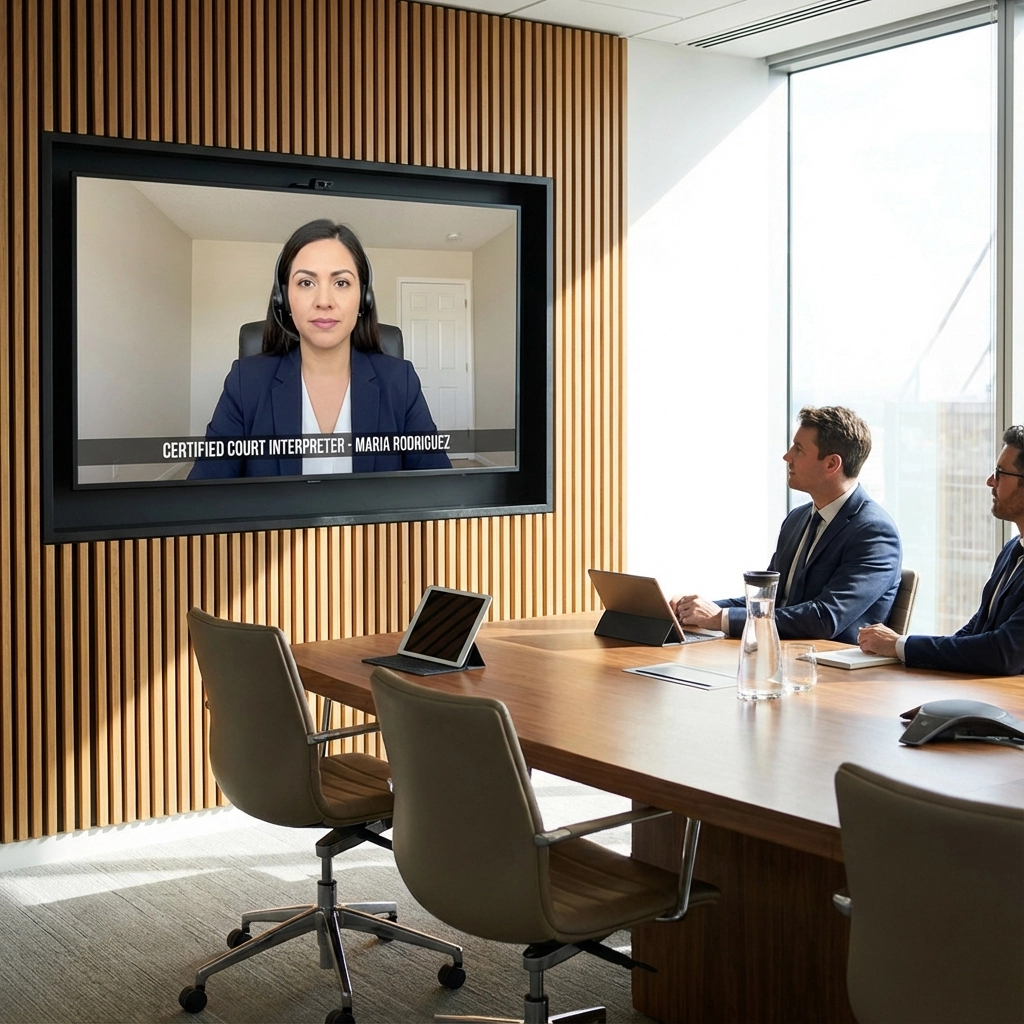
What Changed: New comprehensive ethics requirements specifically address remote interpreting procedures. Interpreters must now clearly identify themselves and their language on screen, maintain professional attire, use neutral backgrounds, and remain visible throughout proceedings except during approved breaks. Additionally, interpreters face restrictions on social media activities that could compromise impartiality.
Why This Matters for Legal Firms: These standards directly improve the quality and professionalism of remote interpreting services. Clearer identification protocols reduce confusion during proceedings, while appearance standards maintain courtroom dignity even in virtual settings.
Action Item: Establish your own firm's standards for remote proceedings that complement these new requirements. Brief clients on what to expect from professional interpreters during virtual depositions or hearings.
Change #5: Flexible Continuing Education and Compliance Requirements
What Changed: California revised continuing education requirements to offer interpreters greater flexibility in meeting their obligations. Courts can now authorize interpreters to earn continuing education credits by teaching approved activities within a two-year compliance period. The system also reduced required hours per maintenance cycle and expanded acceptable forms of professional experience.
Why This Matters for Legal Firms: More flexible compliance requirements help retain qualified interpreters in the system. This change addresses previous barriers that caused skilled interpreters to leave the profession due to rigid continuing education demands.
Action Item: When building relationships with interpreters for ongoing cases, consider how their compliance schedules align with your case calendar. Understanding their continuing education needs can help you plan depositions and hearings more effectively.
Additional Operational Changes Affecting Legal Firms
Beyond these five primary changes, several other updates impact how legal firms work with court interpreters:
Expanded Hiring Authority: Courts can now hire certified or registered interpreters who are already being compensated by other parties, regardless of their contractor status. This change may affect interpreter availability and scheduling flexibility.
Relay Interpretation Options: Courts can employ registered and non-registered interpreters as employees specifically for relay interpretation, provided another interpreter of the same language pair is already employed. This development could benefit complex multilingual cases.
Local Compensation Flexibility: Courts now have authority to set additional local compensation for interpreters, which may create regional variations in costs and availability.
Compliance Calendar: What Legal Firms Need to Track
The annual renewal compliance cycle operates from July 1 to November 26 each year. Interpreters must pay a $100 annual renewal fee and confirm completion of continuing education and professional assignment requirements. All certified and registered court interpreters must complete 40 court-related or other qualifying professional interpreting assignments during each compliance period.
Planning Tip: Schedule critical cases requiring specific interpreters well in advance of the November compliance deadline, as many interpreters focus on completing their requirements during this period.
How to Ensure Your Firm Stays Compliant
With these changes, legal firms need updated processes for vetting and working with court interpreters:
- Verify Current Credentials: Always confirm an interpreter's current certification status and compliance standing before scheduling
- Understand New Classifications: Familiarize your team with the new intermittent, part-time classification and how it affects availability
- Prepare for Enhanced Remote Standards: Ensure your virtual proceedings infrastructure supports the new identification and appearance requirements
- Build Interpreter Relationships: Develop ongoing relationships with qualified interpreters who understand your practice areas and compliance needs
Partner with Experienced Professionals
Navigating these new requirements requires working with interpreting services that stay current with regulatory changes and maintain rosters of compliant, qualified interpreters. At Ortiz Schneider Interpreting & Translation Services, we monitor these developments closely to ensure our legal clients always have access to properly credentialed interpreters who meet the latest California requirements.
Whether you need on-site interpreting for depositions, remote interpretation for virtual proceedings, or certified translation services for legal documents, working with professionals who understand these regulatory changes protects both your clients and your practice.
The 2025 changes to California court interpreter requirements represent the most significant updates to the system in years. Legal firms that understand and adapt to these changes will be better positioned to serve their clients effectively while maintaining compliance with evolving standards.
Ready to ensure your firm has access to qualified, compliant interpreters? Contact our team to discuss how these changes affect your specific practice needs and explore solutions tailored to your requirements.