Legal Interpreting Services in San Diego, CA: What Courts and Attorneys Require
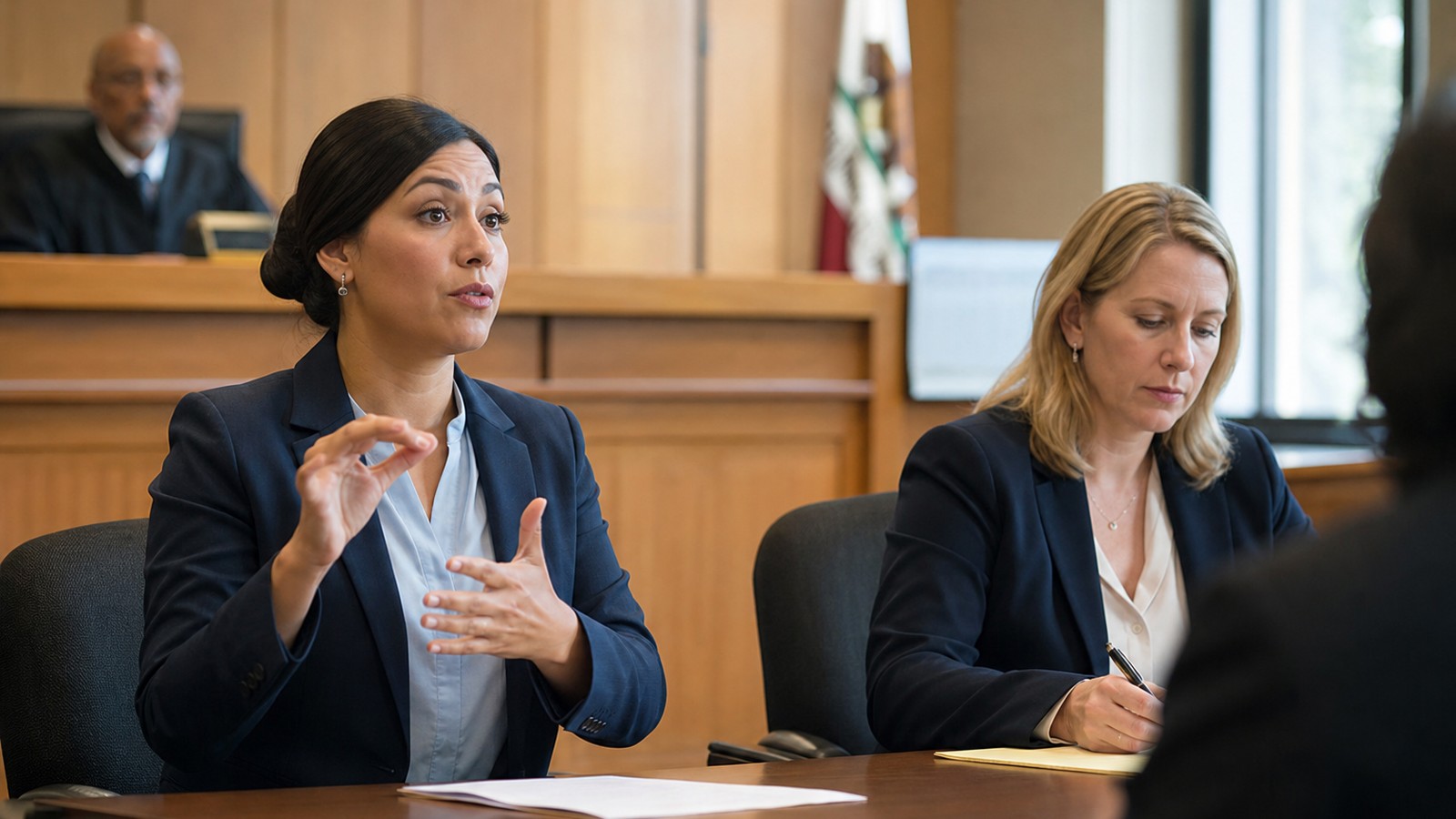
San Diego's courts, law firms, and mediation centers serve one of the most linguistically diverse populations in California, and legal interpreting services in San Diego are no longer a courtesy — they're a due-process requirement. Whether a case involves a Superior Court hearing downtown, a deposition in Kearny Mesa, or a client intake meeting near the border, an attorney who gets the interpreter wrong can jeopardize the record, the testimony, and the outcome. This guide walks through what California law requires, what distinguishes a qualified legal interpreter, and how to know when on-site versus remote interpreting makes sense for your matter.
Quick Summary
- California courts require certified or registered interpreters for covered proceedings; a bilingual staff member or family member is not a substitute.
- Legal interpreting covers depositions, hearings, mediations, arbitrations, and attorney-client consultations — not just courtroom testimony.
- Interpreter neutrality and confidentiality are as important as language accuracy; a legal interpreter should never advise, summarize, or advocate.
- On-site interpreting is preferred for evidentiary hearings and high-stakes depositions; remote (VRI/OPI) interpreting can work well for shorter consultations and scheduling calls.
- Ortiz Schneider matches San Diego attorneys with vetted, credentialed interpreters across 200+ languages for both in-person and remote legal work.
Why Legal Interpreting Services in San Diego Matter
San Diego County's courts handle cases in dozens of languages, and Spanish, Vietnamese, Tagalog, and Arabic are among the most frequently requested. When a party or witness has limited English proficiency, the accuracy of the interpreted record can directly affect credibility findings, settlement value, and appellate exposure. A mistranslated word in a deposition transcript or a paraphrased answer during cross-examination can create ambiguity that opposing counsel will use later.
Beyond the courtroom, legal interpreting services in San Diego support the work that happens before a case ever reaches a judge: intake interviews, contract review sessions, mediation, and expert witness preparation. Firms that build interpreter access into their workflow from the first client meeting reduce miscommunication risk and demonstrate good-faith compliance with California's language access expectations.

California Court Interpreter Requirements
California's Judicial Council maintains statewide programs for certifying and registering court interpreters. Interpreters who work in California courts for covered proceedings generally fall into two categories:
- Certified interpreters, who have passed the Judicial Council's certification exam for languages where a standardized test exists (including Spanish, Mandarin, Vietnamese, and others).
- Registered interpreters, who work in languages without a certification exam and instead meet registration requirements set by the Judicial Council.
Courts maintain local and statewide rosters of qualified interpreters, and judges have discretion to determine whether a proposed interpreter meets the standard for a given proceeding. Outside the courtroom — in depositions, arbitrations, and private mediations — parties typically agree on a qualified interpreter by contract, but the same certification and registration credentials remain the industry benchmark attorneys should ask for.
The practical takeaway for San Diego legal teams: don't wait until the week of a hearing to confirm interpreter credentials. Language pairs like Mixtec, Punjabi, or less common Southeast Asian languages may have fewer registered interpreters available locally, and lead time matters.
What to Look for in a Legal Interpreter
A qualified legal interpreter brings more than fluency. When vetting an interpreter for a California matter, attorneys and paralegals should confirm:
- Credentials — certification or registration status with the Judicial Council of California, or equivalent federal certification for federal court matters.
- Subject-matter familiarity — comfort with legal terminology across the relevant practice area, from contract language to procedural vocabulary used in depositions and hearings.
- Neutrality and confidentiality — a legal interpreter renders everything said, without omission, summary, or personal commentary, and does not act as an advocate for either party.
- Mode fluency — the ability to interpret consecutively (pausing between speakers, common in depositions) and simultaneously (real-time, common in longer hearings) as the proceeding requires.
- Reliability under pressure — legal proceedings can run long, get adversarial, or change format on short notice; an experienced legal interpreter stays composed and accurate regardless.
Ortiz Schneider screens for all of the above before assigning an interpreter to a legal engagement, matching language, dialect, and subject-matter background to the specific case.
On-Site vs. Remote Interpreting for Legal Matters
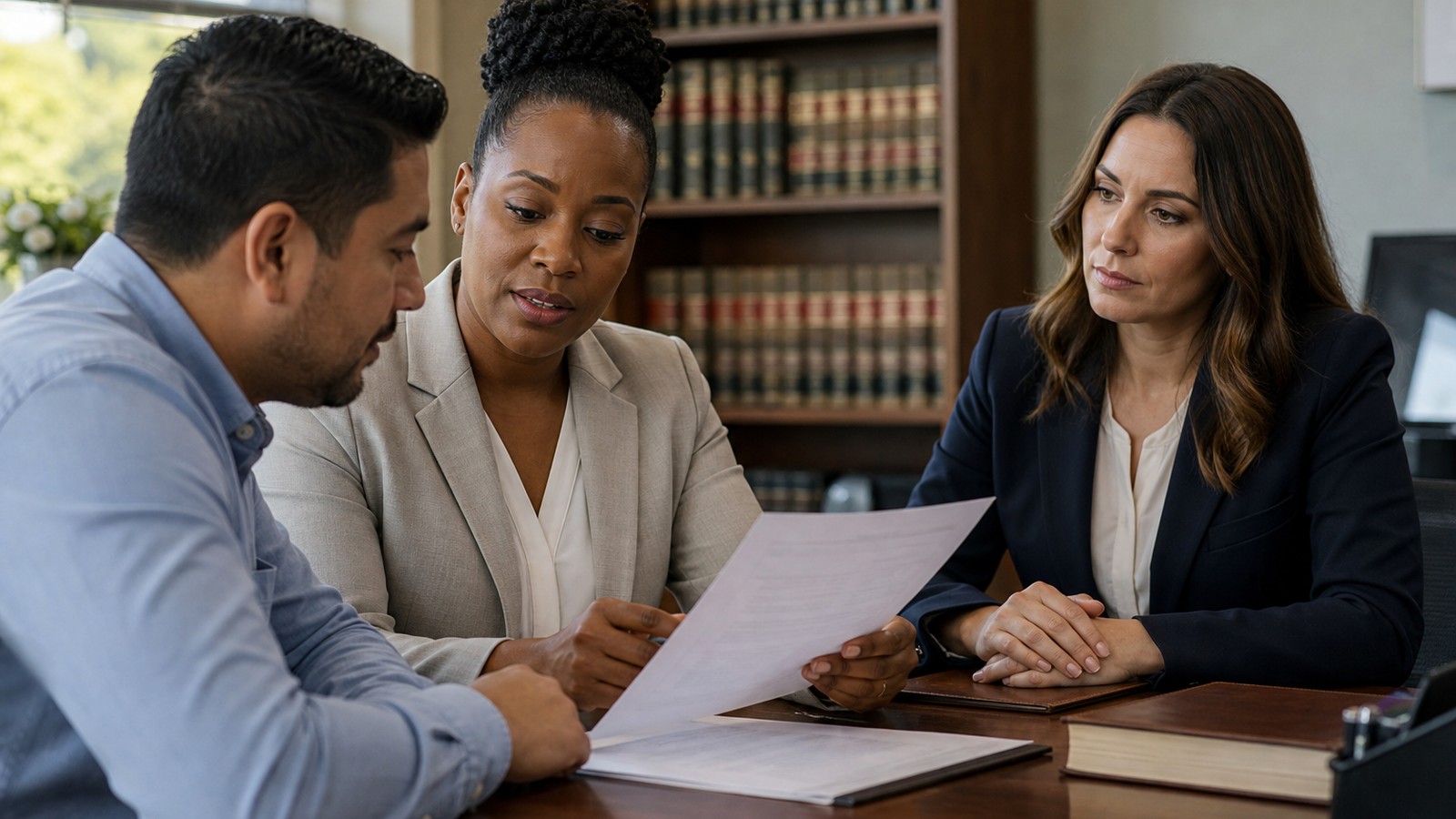
Not every legal engagement needs the same format. San Diego attorneys generally choose between on-site interpreting and remote interpreting (VRI or OPI) based on the stakes and complexity of the proceeding:
On-site interpreting is typically the right call for evidentiary hearings, trial testimony, high-stakes depositions, and any proceeding where a court reporter needs to capture nuance, tone, or non-verbal cues accurately. Being physically present also reduces the risk of technical disruptions during critical testimony.
Remote interpreting works well for shorter attorney-client consultations, scheduling and status conferences, and preliminary intake calls, where speed and flexibility matter more than in-person presence. It can also be a practical solution for less common languages where the nearest qualified in-person interpreter isn't local to San Diego.
Many firms use a hybrid approach: remote interpreting for routine communication throughout a case, with on-site interpreting reserved for depositions and courtroom appearances. A good language services partner will help you decide which format fits each stage of a matter rather than defaulting to whichever is easiest to book.
Common Scenarios San Diego Attorneys Face
- Depositions — Consecutive interpreting is standard so the court reporter can produce an accurate transcript; interpreters need advance access to exhibits and terminology where possible.
- Client intake and case preparation — Building trust with a limited-English-proficient client starts at the first meeting; a qualified interpreter helps ensure informed consent and accurate fact-gathering.
- Mediation and arbitration — Neutral, accurate interpretation supports fair negotiation, particularly when settlement terms are being discussed in real time.
- Multi-party civil matters — Cases involving several witnesses in different languages require coordinated scheduling across multiple interpreters, often across both remote and on-site formats.
- Contract and document review sessions — Reviewing translated contracts or exhibits with a client benefits from an interpreter familiar with legal and industry-specific terminology.
FAQs
Does every witness with limited English proficiency need a certified interpreter? For court proceedings, judges determine the standard required, and certified or registered interpreters are the expected norm for covered languages. For private depositions and mediations, parties should still insist on credentialed interpreters to protect the record and avoid later disputes over accuracy.
Can a bilingual paralegal or family member interpret instead? This is generally discouraged and often disallowed in formal proceedings. Family members may have a personal stake in the outcome, and untrained bilingual staff may unintentionally summarize or soften testimony rather than render it exactly.
How far in advance should we book a legal interpreter in San Diego? As early as possible, especially for less common languages or multi-day proceedings. For routine depositions in widely spoken languages, one to two weeks of notice is usually workable; specialized or rare language pairs may need more lead time.
Is remote interpreting acceptable for depositions? It can be, depending on the parties' agreement and the format of the deposition, but many attorneys still prefer on-site interpreting for depositions where testimony quality and courtroom-style formality matter most.
What languages does Ortiz Schneider support for legal work in San Diego? Ortiz Schneider works across 200+ languages, including Spanish, Vietnamese, Tagalog, Mandarin, Arabic, and a range of less common language pairs, matched to California's court interpreter standards.
Work With Ortiz Schneider
Since 1999, Ortiz Schneider has connected California attorneys, courts, and legal teams with vetted, credentialed interpreters for legal proceedings across the state, including on-site interpreting for depositions and hearings and remote interpreting for consultations and scheduling calls. If your San Diego matter needs a qualified legal interpreter, request a quote and our team will match you with the right linguist for your case, language, and timeline.